


Exploring Wood: Benefits, Uses, and Quebec-Inspired Ways to Bring It into Your Home

What if Wood Weren’t Just for Cabins?
In Quebec, the widespread belief that wood is only suited for rustic or rural settings still lingers. Too often, it’s dismissed as unsuitable for urban or contemporary environments. And yet, in today’s context—where ecological restraint, well-being, and constructive coherence are key—integrating wood is a timely and local design choice. As a living, renewable material rooted in regional expertise, wood deserves a new place in our homes today.
This article explores why wood is such a valuable ally in residential design—especially in urban contexts. We walk you through its environmental, technical, cultural, and sensory qualities, with concrete examples of integration: façades, flooring, built-in furniture, and exposed structures.
What You’ll Discover :

Why Choose Wood ?

A high-performance, human-centered, and locally rooted material
Before diving into its many domestic applications, it’s worth asking why this material is attracting growing attention. Four key qualities make it an ideal candidate for residential construction in Quebec.
Environmental Qualities
Naturally renewable and minimally processed, wood stores CO₂ throughout its life cycle. When sourced from well-managed local supply chains, it supports low-carbon buildings aligned with sustainable construction principles.
Technical Qualities
Its lightness makes it an efficient alternative to concrete or steel, easing foundation demands and simplifying transport—especially useful in remote or complex terrain. Wood also lends itself well to prefabrication, a clear advantage for construction in Quebec’s low-density regions.
Cultural Qualities
Using wood is a way to draw on a long-standing regional craft while supporting abundant, local resources—helping to build economic resilience in the face of global supply chain disruptions.
Sensory Qualities
Wood transforms how we experience space. Its texture, scent, and color positively shape our perception of interior environments. Leaving wood visible—without unnecessary finishes—fosters calm, clarity, and architectural simplicity in the home.
On the Outside: A Low-Impact Envelope Suited to Quebec's Climate

Choosing an exterior cladding isn’t just about looks—it’s a strategic decision that involves your priorities, Quebec’s climate, and long-term material durability. Beyond its environmental benefits (carbon storage, local sourcing), wood adapts to seasonal light and weather, offering a “living” material that interacts with its surroundings.
Before selecting a siding, assess the true context of your project:
Urban, rural, or forested setting?
Overall budget (purchase, installation, maintenance)?
Desired architectural style?
Willingness to commit to maintenance?

Next, evaluate performance based on Quebec’s harsh climate:
Freeze/thaw resistance
Humidity resistance
UV protection
Thermal performance
Maintenance level
Once you’ve outlined your needs, compare materials—solid wood, engineered wood—based on their pros, limitations, and environmental impact.
Quebec Examples :

Groupe Sidex and Juste du pin, Quebec based manufacturers, offer a no-maintenance, thermally treated cedar siding, pre-stained to replicate natural greying. The result is a stable, uniform finish from day one—no topcoat or future maintenance required.

Using the traditional Japanese Shou Sugi Ban method, Espace-Bois et Arbre et bois offer burnt wood siding known for its deep texture and matte black finish. The technique increases resistance to weather, pests, and fire—while adding a distinct, modern touch.
These locally crafted products prove it’s possible to combine performance, aesthetics, and environmental consciousness while supporting regional expertise.
On the Inside: Exposed Materiality and a Calmer Atmosphere

Inside the home, wood goes far beyond decoration—it reshapes our experience of space. When left exposed, it impacts aesthetics, acoustics, and even our cognitive and emotional well-being.
Contemporary residential architecture has often hidden wood—within frames, beneath finishes, under floors. But making it visible again transforms how we inhabit space.
On walls, ceilings, trim, and other finishes, wood can:
Shape how light behaves, through texture and matte finishes
Improve acoustic comfort thanks to natural absorption
Enhance psychological and physiological well-being
Recent studies in neuroscience and environmental health show that visible wood in interiors reduces stress, lowers blood pressure and cortisol levels, and boosts cognitive functions like memory and attention. Notably, the 2019 “Wood and Human Health” study by the University of British Columbia and FPInnovations confirms these effects on occupants in wood-rich spaces.

It’s no coincidence that schools and healthcare centers are increasingly using exposed interior wood: it reduces stress, enhances concentration, and supports recovery.
In the home, this biophilic quality works subtly, day after day. Wood becomes a true ally in fostering peace, balance, and restorative living.
Built-ins : Subtle Integration for Lasting Impact

Custom cabinetry adds value to interior spaces without clutter. Quebec hardwoods like maple, cherry, or walnut are particularly well-suited for tailored, lasting design.
Compared to standardized materials (melamine, MDF), solid or veneered wood allows for:
Long-lasting joinery (grooves, dowels, tenons)
Adaptability (pieces can be modified, repaired, reused)
Material coherence with other architectural elements
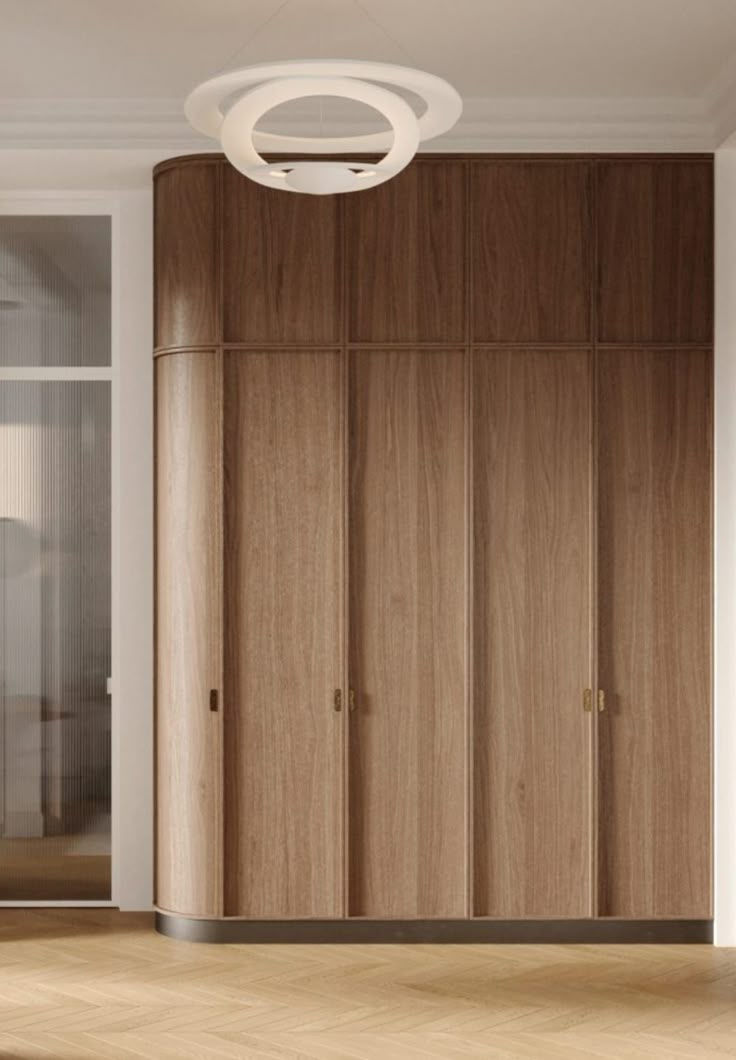
Rather than piling on furniture, wood can define space itself: a library wall that acts as a partition, a bench tucked into a window nook, a staircase that doubles as a desk. Wood adapts to the user—but also suggests new uses.
Quebec Craftsmanship in Custom Furniture
Local workshops like Amik Ébénisterie (Montreal) and Ébéniste BoisJoli (Aylmer) produce long-lasting, made-to-measure built-ins—closets, benches, doors—using solid wood and traditional methods.
Others, like Verbois (Rivière-du-Loup) and Canadel (Louiseville), create high-end residential furniture that blends wood and metal with customizable finishes.
Choosing local expertise is a way to carry your design vision through to the smallest details.
Conclusion: Building with Wood Means Inhabiting Differently

If you were looking to move past the clichés of rustic wood and understand how it can work in a contemporary, urban project—you now have a clear view.
Wood is more than just an aesthetic or nostalgic choice. It’s a smart, locally grounded response to today’s challenges: environmental performance, sensory comfort, architectural adaptability, and regional resource value.
Building with wood means choosing a living, grounded material. One that shapes space with warmth while meeting the highest technical standards.
Wood doesn’t just build—it helps us inhabit, with purpose, clarity, and identity.
Your Next Step ? Explore Further: Guides and Tools
To help you make informed decisions, a variety of Quebec-based resources are available for free:
Sidex’s Solid Wood Cladding Maintenance Guide – Learn how to preserve your wood siding without unnecessary effort.
Detailed Factsheets on Wood Species – Understand the technical characteristics, origins, and recommended uses of Quebec species, including spruce, red cedar, and white cedar.
Finish Comparison Guide and Treatments Comparison Guide – A clear overview of finish types (raw, brushed, sanded) and treatments (opaque, semi-transparent, two-tone, maintenance-free) to help you make informed decisions based on exposure, desired effect, and maintenance levels.
Neutral Siding Material Comparison Chart – Evaluate the real advantages of wood compared to fiber cement, vinyl, or metal.
Directory of Wood Manufacturers in Quebec (QWEB) – Find local suppliers by species, processing type, or product category, including dedicated guides on both hardwoods and softwoods.
These tools will help you choose based on your climate, budget, and maintenance preferences—giving you full autonomy as you move from planning to action.


